What is a FEED study, and why it shows up before the groundbreaking
A FEED study, front-end engineering design, is the stage between a board approving a project in concept and a contractor pouring the first slab. It's where the engineering firm pins down process flow diagrams, equipment lists, civil and structural drawings, and a cost estimate tight enough, usually within 10-15%, to take to a final investment decision. Nothing gets built during FEED. It's paper: drawings, specs, a bid package a contractor can price.
That's exactly why analysts miss it. FEED happens quietly. No press release, no 8-K, often not even a line in the MD&A, because the company hasn't committed capital yet and has no interest in moving expectations on a project that might still get killed. But FEED work leaves footprints an analyst can catch if they know where to look for them.
Why FEED precedes groundbreaking, and why that gap matters
Walk the capex timeline in order: concept screening, feasibility study, FEED, final investment decision, then construction. FEED is where the design firm walks the site, surveys the yard, and figures out where a new line ties into existing utilities and existing structure. That often means permit applications for things like grading or stormwater management, filed with a county or state agency well before anyone mentions "a potential expansion at the Ohio facility" on a call.
That gap, between the permit filing and the press release, or between first site prep and the quarter capex guidance finally gets revised upward, is the window worth watching. A grading permit pulled next to an existing plant. Site clearing visible on the ground. Foundation work ahead of a long-lead equipment delivery schedule. These are physical tells that FEED has wrapped and FID has happened, even while the company is still calling the project "under evaluation."
What actually shows up on the ground once FEED closes
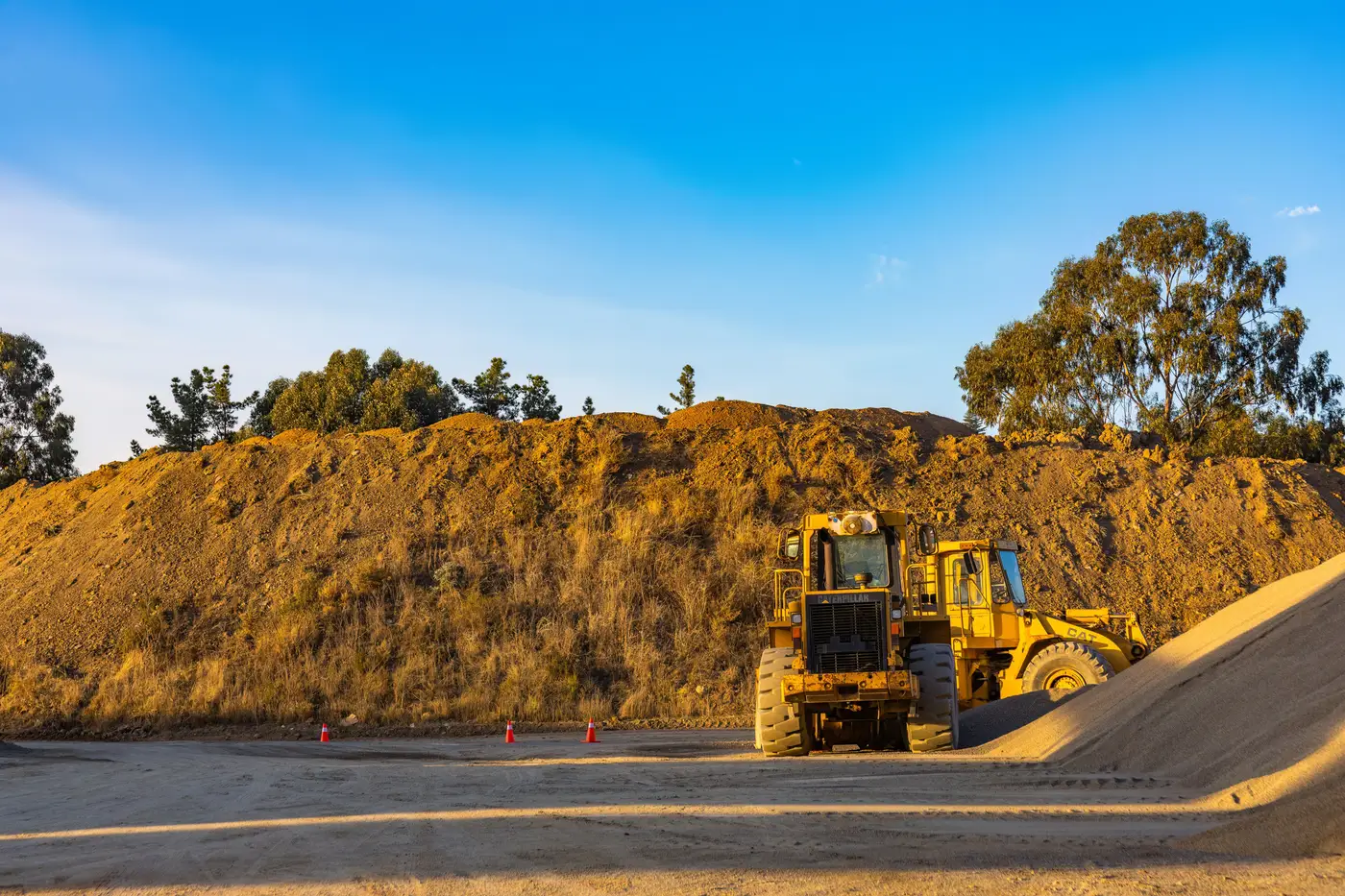
FEED itself doesn't move dirt. But once it closes and a project gets greenlit, site work moves fast relative to how quiet the FEED phase was: survey stakes, a laydown yard getting graded, erosion control fencing going up, sometimes a new access road cut before the first foundation pour. Watch a specific site every quarter instead of waiting for the next 10-Q, and that transition is visible months before it's confirmed on an earnings call.
The same logic runs the other direction for a supplier bidding into a project. If a customer's plant shows yard prep three or four months before a bid request lands, that's a planning input. If it shows up with no warning at all, the sales team is scrambling to catch up on a timeline it didn't see coming.
None of this is centralized anywhere. Permit filings sit in county records systems that don't agree on format from one jurisdiction to the next. Site work doesn't get summarized by anyone; someone has to actually look at the property. An analyst covering a dozen names, each running several plants, isn't driving out to check a yard in rural Indiana every quarter, and most county permit portals aren't built for that kind of monitoring anyway.
That's the gap Capacity Expansion Tracking follows instead: named industrial sites, watched quarterly through high-resolution satellite imagery, with a per-site change note when a plant extension, new line, or yard expansion shows up on the ground.
What a FEED study doesn't tell you
A completed FEED study confirms a design is buildable and bid-ready. The board still has to fund it, and companies shelve projects after FEED regularly, usually over cost overruns or a change in demand outlook. Permit activity or design-firm hiring tied to a site is an early signal, one that can still fall through before a shovel ever moves. The stronger signal comes after FID, when dirt starts moving on a site that had none moving before.
If you'd rather see the groundbreaking coming than hear about it on the next call, that's the view worth setting up now.