How many quarters between groundbreaking and first production?
The short answer: it depends on what's actually being built
There's no single number that holds across a semiconductor fab, a battery plant, and a bolt-on line inside an existing building. The quarter count depends on whether the project is greenfield or brownfield, how much new utility infrastructure it needs, and how specialized the process equipment is.
As a rough frame:
- A line add inside an existing building (new press line, new assembly cell, extra furnace) often runs 3 to 5 quarters from site mobilization to first qualified output. The shell exists, power and water are already sized, and the work is mostly foundation pours for new equipment plus install and tool-in.
- A brownfield expansion that includes a building addition (new high-bay, new warehouse, extended yard for staging) typically runs 5 to 8 quarters. Add structural steel, roofing, and utility tie-ins and the schedule stretches even before equipment shows up on site.
- A greenfield plant for something like a battery gigafactory or a new fab tends to run 8 to 14 quarters or longer, driven by permitting, site grading, water and power infrastructure, and the long lead times on process tools that often get ordered before the building is even enclosed.
Those ranges move with labor availability, equipment lead times, and how aggressive the owner's schedule assumptions were at groundbreaking versus how the project actually tracks against them.
The phases that eat the quarters
Breaking the timeline into stages helps explain why the count varies so much project to project.
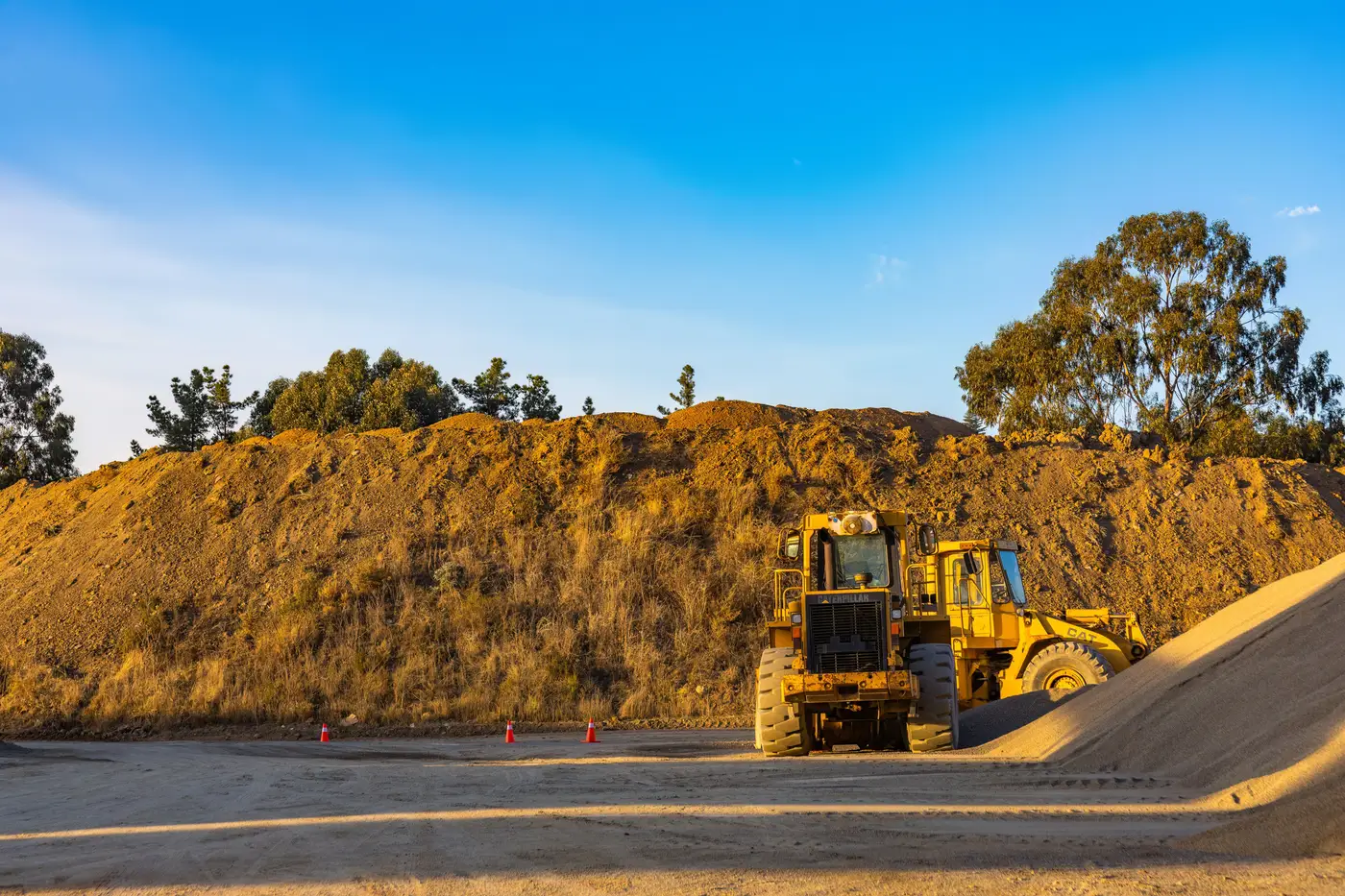
Site work and foundations. Grading, utility trenching, and foundation pours for the new structure or new equipment pads. This is the phase that shows up fastest in aerial and satellite imagery, usually within one quarter of groundbreaking, and it's the earliest hard evidence that a project is real and moving, not just a capex line item in a slide deck.
Structural and shell. Steel erection, roofing, exterior walls. For a line add with no new building, this phase doesn't exist. For a greenfield plant, it can run two to four quarters on its own.
Utility tie-in and interior buildout. Power, process water, compressed air, cleanroom or controlled-environment buildout where relevant. This is where a lot of the schedule risk sits for anything beyond a simple line add, because utility capacity often has to be upsized at the site level, not just inside the new structure.
Equipment install and commissioning. Tools arrive, get set, get hooked up, and go through dry runs. For complex process equipment this phase alone can run two to three quarters before anything resembling saleable output comes off the line.
Ramp to run-rate. First production and run-rate production aren't the same milestone. A line can produce its first qualified unit and still take another one to three quarters climbing the yield curve to the output level management guided to.
Why this matters more than the press release date
Earnings calls and capex guidance reflect what management wants said on a given quarter's call, which can lag the physical state of the project by a long way. A company can announce an expansion, break ground, and then say very little for the next several quarters while the project either tracks to schedule or quietly slips. By the time management confirms a start date on a call, the physical work that determines whether that date is real has usually been visible on the ground for a year or more.
That gap between a shovel going into the ground and a management team confirming a start date is exactly the window where a per-site view of the physical build, like the quarterly change notes behind Capacity Expansion Tracking, gives you something to work with instead of waiting on the next call.
If you'd rather see the site work directly than back into the schedule from guidance, that's the use case this tracking is built for.