Field notes: the September pass that beat the 10-Q by six weeks
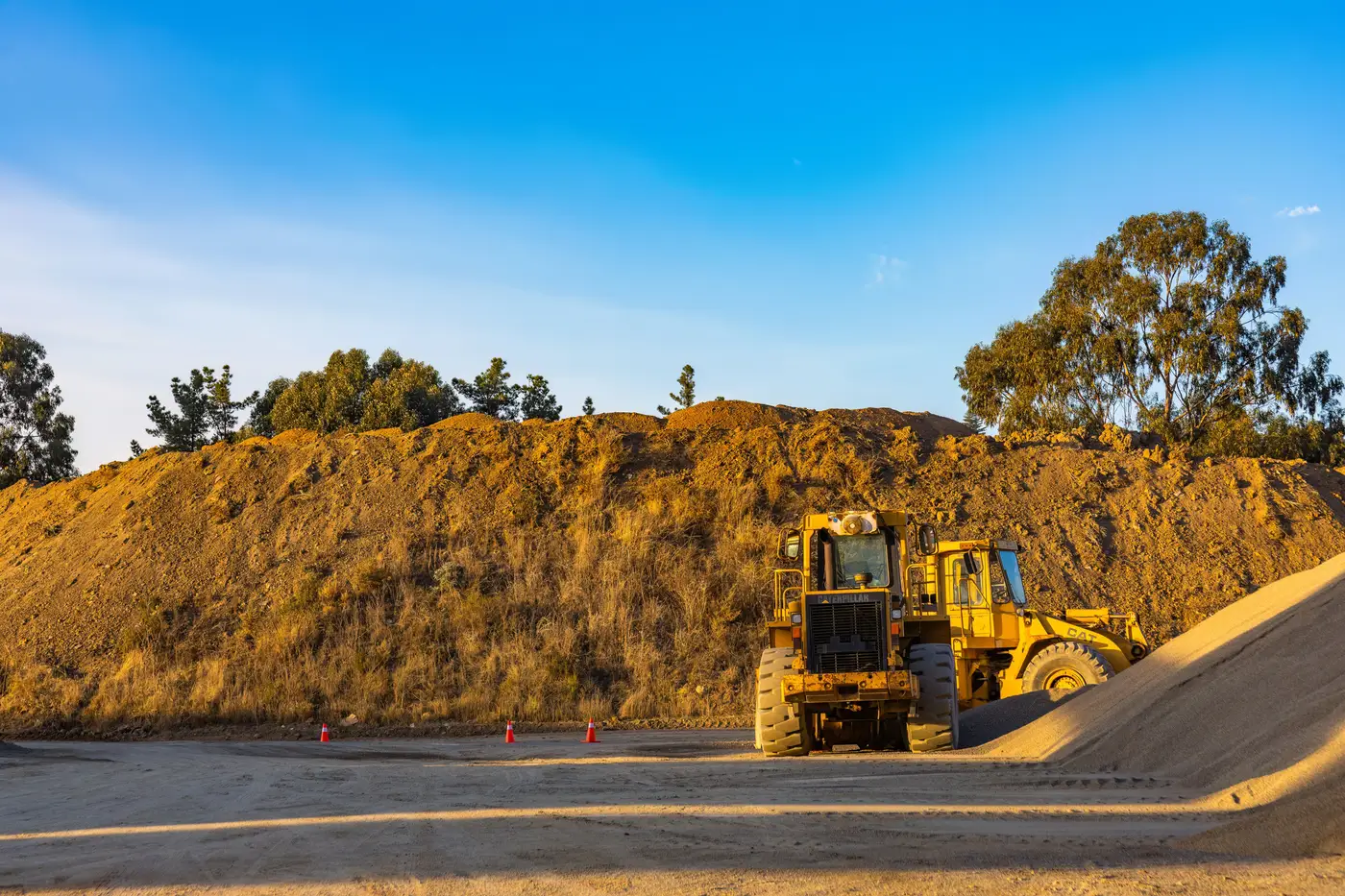
Every analyst who covers industrials long enough develops a private calendar that runs ahead of the public one. Earnings dates, guidance calls, the Tuesday in late January when capex numbers finally get revised. The September pass this year was a good reminder of why that private calendar matters more than the public one.
Here's the setup. A specialty chemicals processor had been vague for two quarters about "evaluating incremental capacity" at one of its mid-sized sites. Vague is the operative word. Management language like that usually means one of three things: a feasibility study that goes nowhere, a board fight over where the capex gets spent, or dirt already moving while legal works out what can be said on a call. There's no way to tell which from the transcript alone.
What you can tell, if you're looking at the site itself, is whether anyone's touched the ground.
The August imagery for this site showed nothing. Grass lot, old fence line, a gravel pad from some long-abandoned project that never got built on. The September pass, taken six weeks later, showed a cleared and graded footprint roughly the size of the existing production building, a staged laydown yard with what looked like rebar cages and formwork stacked in rows, and fresh cut lines where an access road was being pushed through to the rail spur. None of that happens by accident and none of it happens cheap. Site prep at that scale means someone signed a purchase order months before the dirt moved.
That's the part people outside this trade don't always appreciate. Permits, easements, utility commitments, long-lead equipment orders, all of that happens quietly before a single truck shows up, and the groundbreaking marks the visible middle of that process, not its beginning. By the time you can see grading on a quarterly pass, the company has already committed real money. The press release and the 10-Q footnote just formalize what the ground already told you.
Six weeks later, the same company confirmed the project on its third-quarter call, framed carefully as "an investment to support anticipated demand growth in the segment," no dollar figure attached, guidance to follow. By then the foundation walls were already poured in the next pass. The stock had already moved a little on the call. The analysts who'd been watching the site had already adjusted their models before the vague language even hit the transcript.
This is the pattern more often than not. Capacity decisions get made in boardrooms, get de-risked with permits and contractors, and only get announced to the market once the company is comfortable being held to them. The gap between "dirt moves" and "company says so" tends to run six to ten weeks for a project of this size, sometimes a full quarter longer when there's a competitive reason to stay quiet. That gap is where the edge lives, and it only shows up if someone's actually looking at the site on a regular cadence rather than waiting for the quarterly call to tell them what happened.
The hard part was never knowing that this kind of signal exists. Anyone who's covered industrials for a few cycles knows a cleared lot and a staged laydown yard mean something. The hard part was having eyes on the right parcel on a schedule tight enough to catch the change before it went stale. That's the whole case for building a per-site watch list and running it on a fixed quarterly pass instead of checking in whenever a filing makes you curious, which is the discipline behind tracking capacity expansion site by site.
If there's a site on your coverage list where the language has gone vague, that's usually the cue to start watching the ground instead of the transcript.