Field notes: the quarter three sites broke ground and nobody said a word
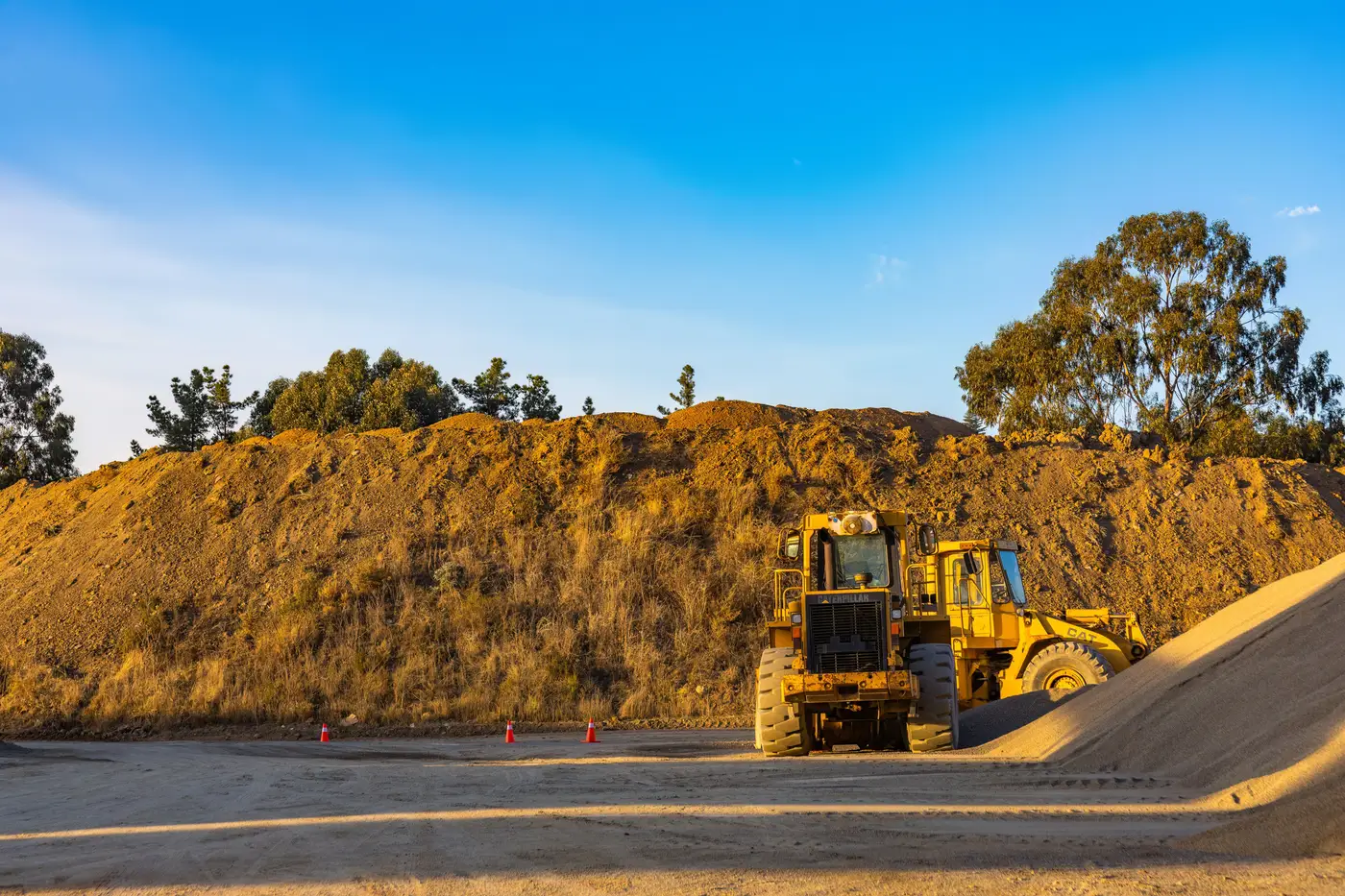
Every quarter has one of these. You're watching a handful of names for capex signals, the call transcripts are clean, guidance hasn't moved, and then a site clears, grades, and pours before anyone on the sell side has a reason to ask about it.
This quarter gave us three.
One was a battery materials site in the Southeast. Earthwork started on a parcel that had sat untouched since the land purchase closed two years back. No rezoning filing beyond what was already public, no updated capex line in the 10-Q, nothing that would trip a news alert. Just a grader working a pad that hadn't existed the quarter before. By the time the company mentioned "site readiness activities" on its next call, the pad was already framed out and a second laydown area had appeared next to it. The call language was the kind that sounds routine until you've seen the imagery and know it isn't.
The second was a specialty chemicals expansion tied to a plant that's been running near capacity for a while. This one was almost funny in its restraint. A new foundation footprint showed up adjacent to the existing unit, sized like a parallel process train, and the only public reference anywhere was a line item in a county permit database that nobody outside the plant's own engineers was reading. There was no analyst day mention of it and no line in the investor deck acknowledging it. The company's most recent capex guidance still described "maintenance and small debottlenecking projects," which is technically true and also not the full picture of what a foundation that size is for.
The third is the one that should bother people more than it does: a semiconductor packaging yard addition where the ground had been cleared and compacted months before the company's own site-selection announcement went out. Whoever runs that site's EPC schedule had clearly committed to break ground before the comms team had finished drafting the press release. That gap, the one between shovel in dirt and press release on the wire, is where most of the alpha in this kind of tracking actually lives. By the time it's a release, it's priced. The grading is the part that isn't.
None of this is secret activity. Permits get filed, grading is visible from the road, contractors talk. Permits are jurisdiction-by-jurisdiction, inconsistent in format, and often lag the actual dirt work by weeks. Site tours happen once or twice a year if you're lucky enough to get on the list. Earnings calls describe capex in guidance ranges, well above the level of individual site progress. None of those channels are built to tell you when ground breaks, only to confirm it eventually did.
What keeps catching our attention this quarter is how uneventful the dirt work looks from the ground and how material it is from above. A pad is a pad until you've watched the same parcel sit idle for six quarters running. Then a pad is a tell.
That's the gap we built this product to sit in. Capacity Expansion Tracking watches named industrial sites quarter over quarter and flags the physical change, grading, new foundations, yard expansion, before it shows up in a filing or a transcript. If you'd rather see the dirt move than wait for someone to describe it on a call, the site is worth a look.
Keep a list of the names you're watching. Check the parcels, not just the press releases.