Field notes: the analyst note that cited capacity months before the company did
There's a particular kind of satisfaction in a sell-side note that gets ahead of the story. Not the kind built on a tip or a leaked deck, the kind built on something anyone could have gone and looked at, if they'd thought to look.
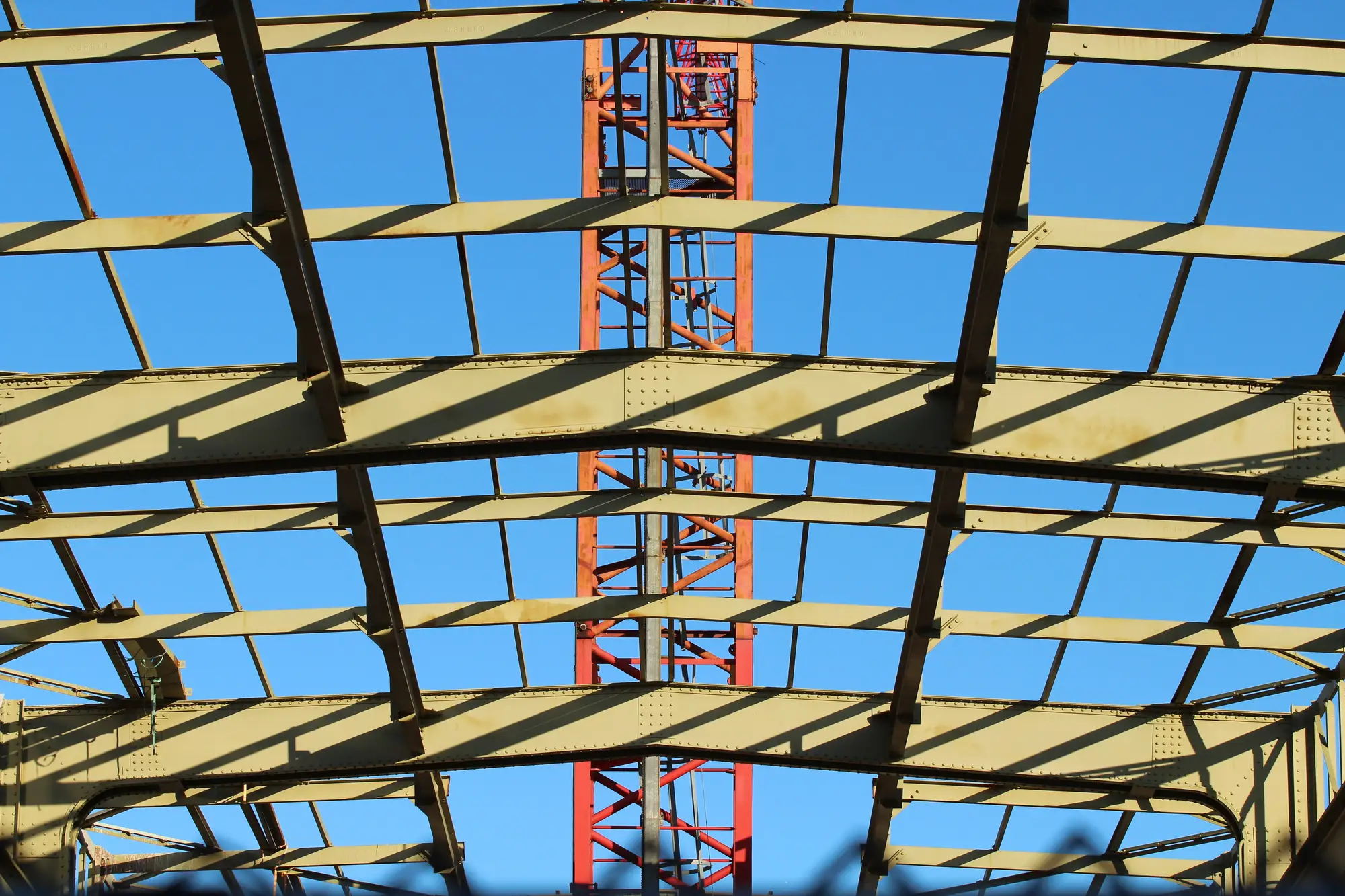
A few quarters back, a mid-cap industrial name reported flat capex guidance for two straight quarters while a new line at one of its plants was visibly under roof. Steel up, siding on, a rail spur extended past the old fence line. None of that showed up in the MD&A. The company's language was still "evaluating options" and "assessing demand signals" right up until the quarter they announced the expansion as already running. An analyst who'd been watching the site flagged the buildout in a note months ahead of the press release, just from tracking what was physically happening on the ground versus what management was saying on the call.
That gap, between what's poured in concrete and what's said into a microphone, is where a lot of the real information sits. Management has reasons to sequence disclosure around competitive timing, labor negotiations, local incentive packages, sometimes just around what quarter they want to book the capex in. None of those reasons have anything to do with when the foundation goes in. The building doesn't wait for the 10-Q.
This isn't a new idea. Channel checks have worked the demand side of this problem for decades, calling distributors and freight brokers to get ahead of volume numbers before they print. Capacity is the supply-side version of the same instinct, except the evidence is harder to fake and slower to change. A distributor can lie about inventory on a phone call. A half-built production line sitting in a yard for six months is just there.
What's changed is how cheap it's gotten to watch the yard. A decade ago getting eyes on a named site meant a site visit, a plane ticket, maybe a contact who drove past the plant for you once a quarter if you were lucky and they were patient. Now it's a standing feed of high-resolution imagery against the same coordinates, run on the same cadence every quarter, so the question isn't "did someone happen to notice" but "what changed since last time."
Foundation poured. Steel up. New line equipment staged in the yard before it's inside the building. Those are all things that show up in the pixels before they show up in guidance.
The analyst in the example above got lucky in a sense. Someone on the team happened to drive past that plant on a weekend and noticed the activity. Luck isn't a process, though, and it doesn't scale across a coverage list of twenty or thirty named sites across a sector. If the edge is in watching what competitors are actually building rather than what they're saying they might build, the question for coverage teams is whether that watching happens by accident or on a schedule.
That's the gap Capacity Expansion Tracking is built to close: a quarterly change note on named industrial sites, so the plant extension or new line shows up on your desk before it shows up in a transcript.
If flat guidance from a name you cover doesn't match what you'd expect to see on the ground, it might be worth finding out which is true before the next call.